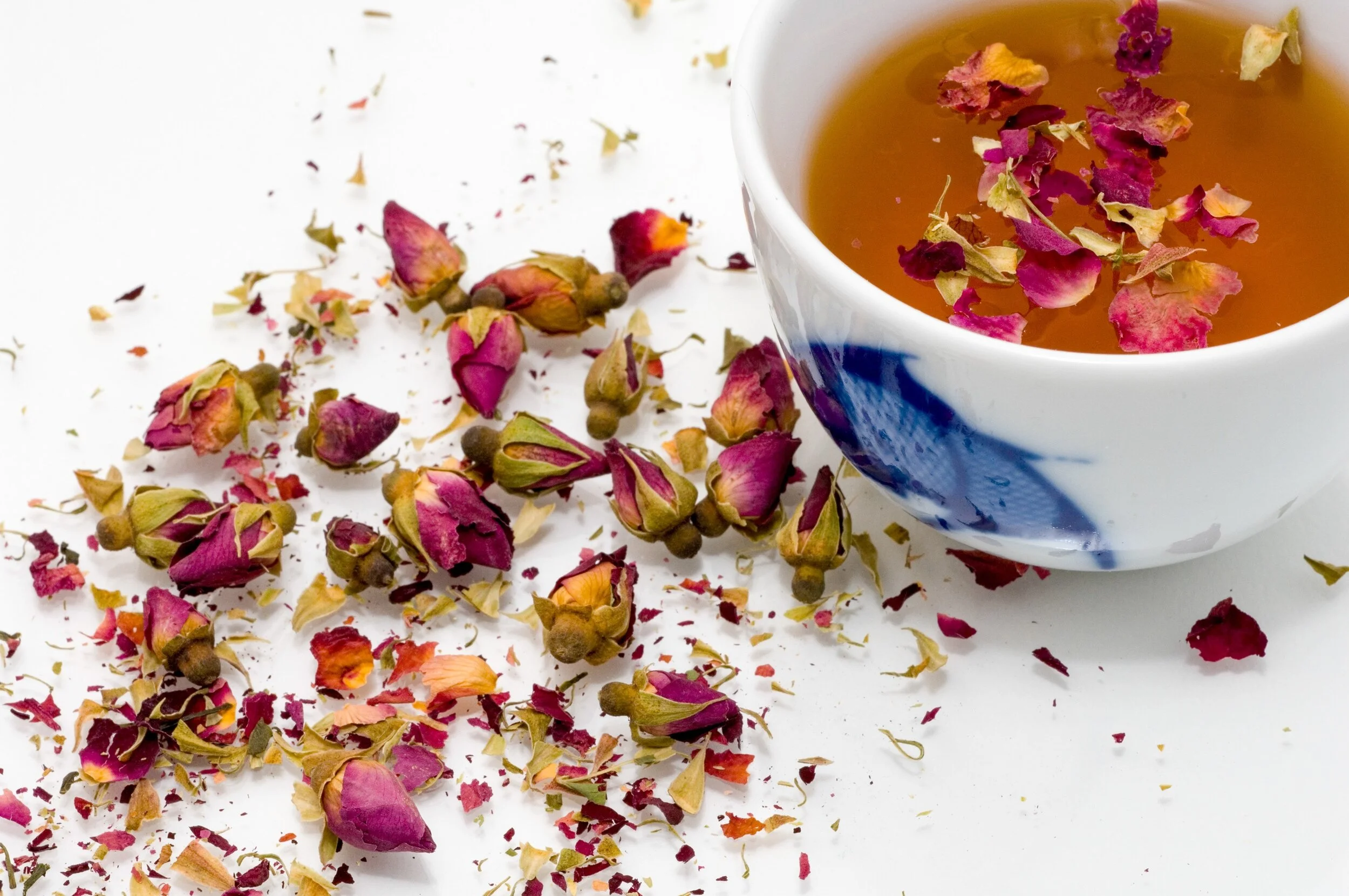
Did you know that tea is the most widely consumed beverage in the world besides water?
Tea has always been a staple in my parents house for as long as I can remember. Today, it is also a staple in my own home. It has become a form of self-care for myself and family. Growing up, my grandmother would have a cup of tea in the morning and every night before bed. It was her daily ritual that she swore kept her in good health.
She would also drink different teas for various ailments. Ginger tea was her go-to for an upset stomach and she used to give me orange peel tea for menstrual cramps. I had the worst cramps when I was a teen and although I hated the taste I can’t deny that it worked. As an adult I began drinking green tea for the taste and was excited to find out about the many health benefits. Read ahead to find out about some of these benefits.
Besides the many health benefits, tea time is the perfect addition to a self-care moment. Taking a quiet moment to yourself to clear your head and just be still can do wonders when things are a little hectic. When I sip a hot cup of tea and feel the warmth of it going down, my body instantly relaxes and it takes less effort to embrace the art of doing nothing.
Key Benefits of Drinking Tea
Tea may reduce the risk of heart attacks and strokes
A significant amount of research has been conducted concerning tea and heart health but the most consistent finding shows that 3-4 cups of green tea a day can decrease inflammatory markers. Elevated inflammatory markers can indicate to a health professional that something is not quite right with the immune system. A study that looked at the effects of green tea consumption on coronary heart disease found that serum oxidized LDL concentrations were significantly decreased, which contributed to lower inflammatory markers. You do not need to drink that many cups of green tea (unless you have the time) - instead try a cup of matcha tea. A cup of matcha tea has the nutritional value of 10 cups of regular green tea.
2. Tea can provide much needed antioxidants
Antioxidants help to reduce the wear and tear our cells face from the overproduction of free radicals. Too many free radicals can lead to oxidative stress, eventually leading to a host of chronic diseases like cardiovascular disease, for example, that can possibly be prevented. Studies have found that regular consumption of moderate quantities of green and black tea can positively influence the effects of these teas on oxidative stress.
3. Tea may help reduce bone loss
Although further research is needed, tea consumption may reduce the risk of osteoporosis. This benefit is especially important for women to consider as they age since osteoporosis is prevalent among older women. With this in mind it is still important to remember that other habits and behaviors that may contribute to bone loss should also be minimized in order to read the full benefits that tea may have.
Additional Benefits…
If you suffer from digestive issues or irritable bowels, tea can help to soothe the stomach and calm nausea. Try chamomile for IBS and ginger tea for nausea
Due to its antibacterial, anti-fungal, and anti-inflammatory properties tea can give the immune system a boost
Prevent tooth loss with a cup of tea as tea is not known to erode tooth enamel like other beverages
Switch to tea for a morning beverage with less caffeine
Jump start weight loss efforts as tea has significantly less calories than other beverages
Tea Types To Know
Some of the most popular teas include Green, Black, White, Oolong, and Pu-erh tea. All of these teas possess distinctive antioxidants called flavonoids. These flavonoids are thought to provide health benefits through cell communication and positive antioxidant effects. Some of the antioxidant benefits included are anti-viral, anti-cancer, anti-inflammatory, and anti-allergic. Read below for a short synopsis about each tea.
Green tea: Least processed tea leaves that contain a large amount of EGCG (Epigallocatechin Gallate) which provide health benefits for inflammation, weight loss, heart, and brain health.
Black tea: Made from fermented leaves, this tea contains the largest amount of caffeine. Specific health benefits affect lung health and lower the chances of having a stroke.
White tea: Uncured and unoxidized tea leaves - best known for it’s potent anticancer properties.
Oolong tea: Partially fermented tea that is heavily consumed in China and Taiwan. Some studies have shown that Oolong can lower bad cholesterol levels. This tea should be steeped for a longer time period to increase flavonoids.
Pu-erh tea: Leaves are fermented and undergo a long aging process. Typical uses include increased mental alertness and help with lowering bad cholesterol.
★Herbal teas come from herbs, seeds, roots, and fruits while the five teas previously listed are derived from the Camellia sinensis plant. Herbal tea varieties include ginger, ginkgo biloba, ginseng, hibiscus, jasmine, rosehip, mint, rooibos, chamomile, and echinacea. The effects of these teas are not as clear as studies are limited but many believe that echinacea can be instrumental in fighting colds.
Sources: WebMD / Tea Association of the U.S.A. Inc. / NCBI article
How About You?
Are you a tea drinker? Do you have a special kind of tea that you’d love to share with everyone?
Please share your favorite tea below in the comments. I’d love to try out a new kind!